

By Paul Salfen, Christine Thompson for AMFM Magazine
In the shadow of rising hate—from Charlottesville’s torches to Pittsburgh’s synagogue massacre and beyond—Black and Jewish America: An Interwoven History arrives like a timely reckoning. Executive produced, hosted, and written by the incomparable Dr. Henry Louis Gates, Jr., this four-part PBS docuseries premieres February 3, 2026, at 9:00 p.m. ET, airing over consecutive Tuesdays through February 24 on PBS, PBS.org, and the PBS app.
The series traces the parallel tracks and explosive intersections of Black and Jewish American experiences: starting from fundamentally different arrivals on American soil, drawn together by racism and antisemitism in the early 20th century, blooming into creative collaborations in music and film, and reaching a “golden age” during the civil rights movement—only to fracture amid diverging priorities in later decades. Yet amid persistent threats of violence and division, it insists on the enduring promise of cross-cultural solidarity.
In a candid conversation with interviewer Paul Salfen, co-executive producers and directors Phil Bertelsen and Sara Wolitzky open up about the project’s long gestation, its personal stakes, and why now feels both urgent and eerily prescient.
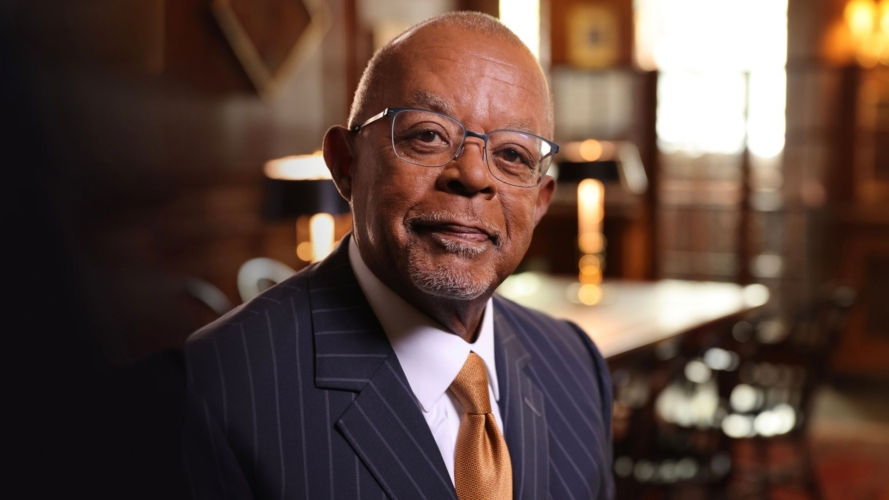
The conversation kicks off with the undeniable timing. “We’re living in such strange times,” Salfen notes, and the filmmakers agree: the project, rooted in Gates’ reflections from childhood and crystallized around events like the Unite the Right rally in Charlottesville, predates today’s headlines but lands with uncanny relevance. Bertelsen and Wolitzky describe how Gates saw resurgent hate targeting both communities—echoing the Charleston Mother Emanuel shooting and the Tree of Life synagogue attack—and envisioned telling both histories in tandem.
“This moment does feel more extreme than he can remember in a long time,” Wolitzky reflects, highlighting the “zippered out” undercurrents of antisemitism and anti-Black racism in Western civilization. The series positions Black and Jewish Americans as frontline fighters against authoritarianism, past and present.
Curating such vast history demanded discipline. The team focused on parallel tracks—when the communities ran separately—and true intersections: alliances forged, differences confronted, creative bonds sparked. “We had incredible producers… an army behind the scenes,” Wolitzky says, crediting archival gold and a diverse team that mirrored the story’s ethos, blending Black and Jewish perspectives.
The process itself proved transformative. “It was close to both of our hearts personally and our lived experiences,” Bertelsen adds. Diving deep felt like a gift, even as “pencils down” proved elusive for such layered material.
Salfen steers toward the next generation, noting young voices hungry for these issues. The filmmakers’ advice to budding storytellers? Passion over clicks. “What motivates you to immerse yourself in a story… that’s the only litmus test,” Bertelsen urges. Start where you are—phone, TikTok, free software—and build the muscle. Collaboration, they emphasize, separates solo clips from sweeping narratives like this one.
The talk turns metaphorical with a nod to Dallas Cowboys legend Drew Pearson’s Hail Mary catch. For the filmmakers, the project demanded fearless honesty, space for difference, and willingness to fumble and recover. “Being unafraid… if you’re too afraid of saying the wrong thing, we’re never going to get anywhere,” Wolitzky says. In an era of cancel culture and litmus tests, the series models hard conversations without easy answers.
What do they hope viewers take away? Bertelson says Courage—from history’s examples of progress through honesty, alliances, and coalitions. Gates’ interviews with figures like Billy Crystal, Tony Kushner, Anna Deavere Smith, Al Sharpton, David Remnick, and descendants of civil rights icons (Rev. Ralph Abernathy, Rabbi Abraham Joshua Heschel, Rabbi Israel Dresner) underscore individual relationships as the foundation. “Even though this is a big, grand story, at the end of the day, it’s on the level of individual and individual relationships,” Wolitzky reflects, lamenting increased segregation but urging viewers to seek proximity and strengthen bonds across differences.
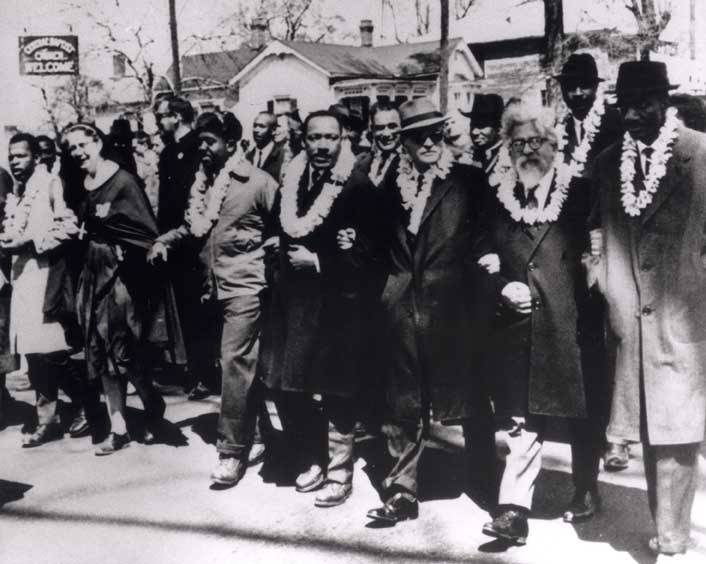
As threats persist, Black and Jewish America isn’t nostalgia—it’s a call to action. In Gates’ hands, with Bertelsen and Wolitzky’s direction, it reminds us that solidarity isn’t automatic; it’s built, tested, and rebuilt. In fractured times, that’s the story America needs most. Tune in starting February 3—because understanding this interwoven history might just help us write a better next chapter.
