

By Paul Salfen, Christine Thompson for AMFM Magazine
Berlin-based electronic musician Kangding Ray (David Letellier) has built a singular career bridging experimental sounds and club-driven techno. From his early releases on the legendary German imprint Raster-Noton to his more recent dancefloor-oriented output, Kangding Ray has navigated the unexplored territories between experimental music and dance music. Through his consistency as both a live performer and DJ, along with critically acclaimed albums, he has demonstrated a genuine artistic approach, crafting a unique universe focused equally on emotional depth and visceral impact.
Drawing from his past as an architect, Kangding Ray maintains a multidisciplinary practice, extending his craft into visual arts, film scores, audiovisual installations, and dance performances. His latest triumph is the pulsating, transformative score for Óliver Laxe’s Sirāt (2025), a Cannes Jury Prize winner and Spain’s Oscar submission that has earned widespread acclaim for its bold fusion of rave culture and existential drama.
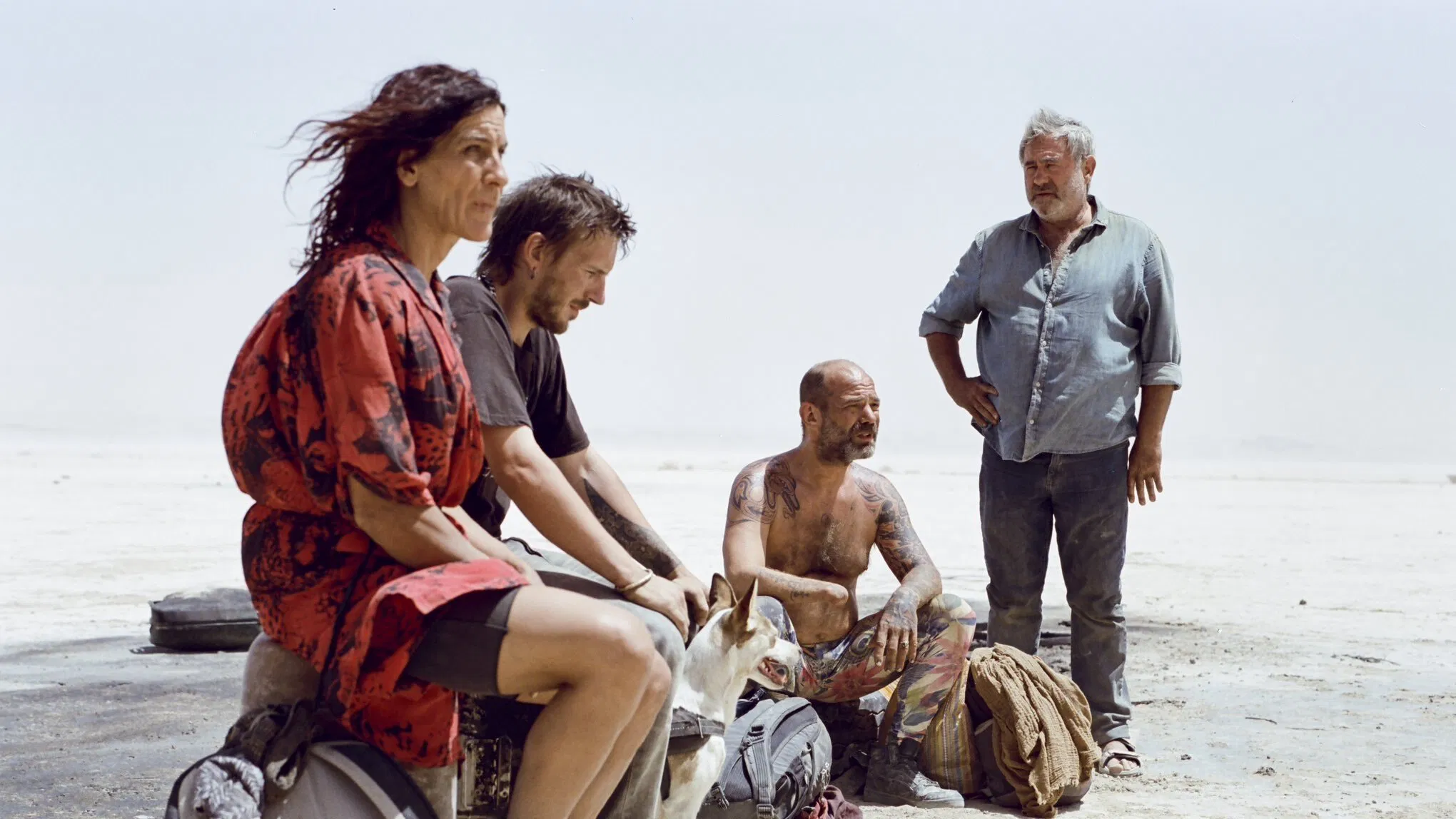
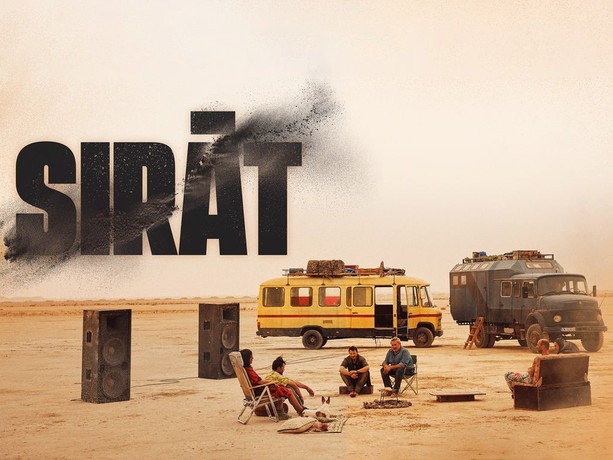
In Sirāt, a father (Sergi López) and his son arrive at a remote rave in the mountains of southern Morocco, desperately searching for the man’s daughter and the boy’s sister, Mar, who vanished months earlier at a similar endless party. Surrounded by thumping electronic music and an unfamiliar sense of freedom, they distribute her photo amid the revelers. As hope fades, they follow a group of ravers deeper into the burning desert wilderness for one final party—forcing a confrontation with their own limits in a journey that spirals into surreal, apocalyptic territory.
The film’s immersive soundscape, which evolves from pounding techno to ethereal ambient, earned Kangding Ray the Cannes Soundtrack Award and Golden Globe nominations. In this exclusive interview with Paul Salfen of AMFM Magazine, conducted from his Berlin studio, Kangding Ray discusses the overwhelming response to the film, the challenges of scoring its intense scenes, his modular synth workflow, and the bold risks that define both his music and Sirāt.
Paul Salfen: We’re so honored to have you—where in the world are you today?
Kangding Ray: In Berlin.
Paul Salfen: What a score. What a movie. You’re getting such great feedback right now.
Kangding Ray: Yeah, it’s been pretty amazing so far. Very happy, and gladly surprised—overwhelmed by the feedback. It’s such a radical proposal, so it’s amazing to see so many people reacting emotionally. It gives hope that people are ready for something new and edgy.
Paul Salfen: It’s definitely new and edgy, with so many twists and turns.
Kangding Ray: Yeah, reading the script, I realized how ambitious the project was. It was fun but intense to find the right tone and emotions.
Paul Salfen: It must be even better in theaters on the big screen.
Kangding Ray: Totally. We premiered in Cannes at the Grand Théâtre Lumière with a new Dolby system—2500 people. It felt like a concert, especially with the bass and subs we worked on heavily.
Paul Salfen: It’s a scary concept—did you put yourself in that mindset for the intense scenes?
Kangding Ray: There’s responsibility and excitement, even a feeling of danger. We didn’t play safe, trusting the audience to follow our choices—like jumping into the abyss.
Paul Salfen: Was there a scene that stumped you?
Kangding Ray: I started working on the script two years before shooting, so there was time to process and make errors. Finding the right tone and scale was toughest—not too pompous, but hitting hard when needed. Once we found it with the first images, it flowed better.
Paul Salfen: Your studio looks like a mad laboratory—full of modular synths.
Kangding Ray: Yeah, a small comfy studio with lots of gear, especially modular synths I constantly rebuild and reconfigure for different projects—always in motion.


Paul Salfen: Will we hear the score live, perhaps in the US?
Kangding Ray: We’ve done performances in L.A. and Spain—one starting ambient and ending as a big rave in Santiago de Compostela.
Paul Salfen: You have the coolest job. Advice for aspiring composers?
Kangding Ray: I didn’t choose this life—it chose me. I was an architect making good money in Berlin, got into the art and electronic scene, and slowly shifted. The defining moment was going all-in on music, becoming poor again for years until it paid off.
Paul Salfen: What keeps you on the right path?
Kangding Ray: Artistic discipline—I never compromise on quality. If something’s not ready, I won’t release it. I don’t follow trends; I just do my thing and hope for the best.
Paul Salfen: What’s next?
Kangding Ray: Lots of interest from the film world, but I’m cautious—want to dedicate fully. Still busy with DJ and live sets worldwide.
With Sirāt marking a monumental chapter, Kangding Ray continues to push boundaries, blending the cerebral and the corporeal in ways that resonate deeply—both on screen and in the club. Fans can look forward to more immersive experiences as his multidisciplinary world expands.
